
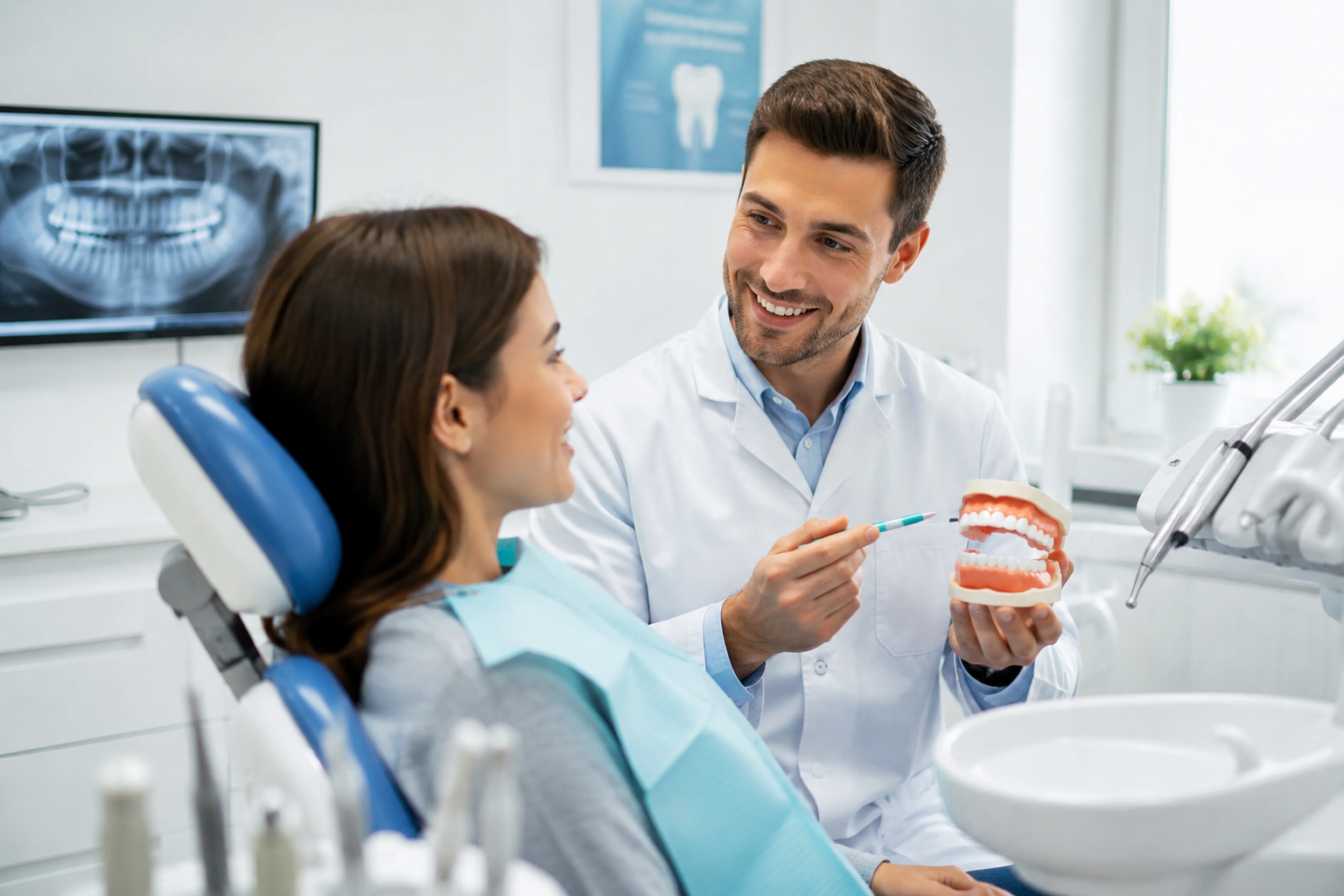
You want a brighter smile and a clear sense of which teeth whitening options work best in North Phoenix, AZ. Professional in-office whitening and supervised take-home kits from local dental offices offer the fastest, safest, and most predictable results for stubborn stains.
This article walks through why stains happen, how dentists in North Phoenix tailor treatments to your needs, over-the-counter and natural alternatives, cost and safety trade-offs, and simple steps to keep results longer. You’ll learn practical next steps so you can decide whether a dental visit, an at-home product, or lifestyle changes make the most sense for your smile.
Understanding Teeth Stains
Teeth discoloration can come from a mix of causes, appear in different patterns, and change with daily habits and treatments. Knowing what creates each type of stain helps pick the right whitening option and avoid surprises.
Causes of Tooth Discoloration
Stains arise from two main sources: external deposits on enamel and internal changes within the tooth structure. External stains come from pigmented foods and beverages — coffee, red wine, tea, curry — and from tobacco tar and nicotine. These pigments stick to the enamel surface and build up into visible discoloration over months or years.
Internal discoloration includes staining from tooth trauma, aging, and certain medications taken during tooth development, such as tetracycline antibiotics. Root canal-treated teeth can darken when internal pulp material or filling materials change color. Genetics also play a role: naturally thinner enamel or darker dentin makes teeth look less bright.
Poor oral hygiene accelerates both types by allowing plaque and tartar to trap pigments and by letting bacteria produce acids that erode enamel. Regular professional cleanings, prompt care for injuries, and discussing medication history with a dentist reduce the risk of progressive discoloration.
Different Types of Staining
Extrinsic staining sits on enamel and often responds to polishing, scaling, or at-home whitening. Typical examples: coffee ringing on front teeth, brown staining along gumlines from smoking, or yellowing from long-term soda consumption. These stains usually show as surface film or patches.
Intrinsic staining occurs within the tooth and resists surface whitening. Causes include internal bleeding after trauma, developmental enamel defects (hypoplasia), fluorosis from excessive fluoride during childhood, and tetracycline bands. Intrinsic stains may appear as gray, blue, or brown discoloration and often need professional techniques, such as internal bleaching, veneers, or crowns.
A third pattern, age-related staining, combines both: enamel thins with age, revealing darker dentin underneath while surface stains accumulate. Treatment plans differ: extrinsic problems start with cleaning and bleaching; intrinsic issues often move to restorative options.
How Habits Affect Your Smile
Daily behaviors change tooth color over time. Drinking two or more cups of coffee or tea daily increases surface staining risk notably within months. Red wine and dark sodas compound that effect, while smoking causes persistent brown-black deposits along gumlines and between teeth.
Oral care routines matter: inconsistent brushing, skipping flossing, and avoiding professional cleanings let plaque calcify into tartar, which firmly binds pigments and reduces whitening effectiveness. Using abrasive whitening toothpastes excessively can thin enamel, making teeth appear more yellow as dentin shows through.
Lifestyle adjustments help maintain whitening results: switch to a straw for dark beverages, rinse with water after staining foods, quit tobacco, and use fluoride toothpaste to strengthen enamel. Regular dental checkups and tailored maintenance — touch-up trays or in-office polishing — extend treatment benefits and protect long-term appearance.
Professional Whitening at Local Dental Offices
Many North Phoenix dental offices offer supervised whitening that balances faster results with safety and comfort. Patients can choose between in-office procedures or custom take-home kits, both overseen by a dentist to reduce sensitivity and protect restorations.
In-Office Whitening Procedures
In-office whitening uses higher-concentration peroxide gels applied by a dental professional for rapid shade change. A typical session lasts 45–90 minutes and may involve light or laser activation, though many practices rely on chemical activation alone to minimize heat and tissue irritation.
Clinics protect lips and gums with barriers and provide suction to keep the area dry. Most patients see 4–8 shades lighter in a single visit, but results vary with the type of stains—tobacco and coffee respond well, while tetracycline or deep intrinsic stains may need alternative approaches.
Dentists assess crowns, veneers, and fillings first because these materials do not whiten and may require replacement to match new tooth color. They also review medical history and existing sensitivity, offering topical desensitizers or staging treatments across two visits when needed.
Custom Take-Home Whitening Kits
Custom take-home kits start with an impression to create snug, clear trays made from the patient’s actual dental anatomy. Dentists prescribe lower-concentration peroxide gel to be worn typically for 30 minutes to a few hours daily, or overnight for shorter regimens, depending on sensitivity and desired speed.
These kits allow controlled, gradual whitening over 1–3 weeks with predictable shade progression. The provider gives written instructions on tray placement, gel amount (usually a small dot per tooth), and how to manage mild gum irritation.
Follow-up appointments let the clinician check results, adjust wear time, and advise when to stop. Patients appreciate the convenience of at-home use combined with professional oversight and the ability to top up periodically to maintain shade.
Advantages of Professional Supervision
Professional supervision reduces the risk of uneven whitening, gum burns, and tooth sensitivity by tailoring concentration and application to the patient’s needs. Dentists evaluate restorations and recommend replacements or alternative cosmetic options when whitening won’t match existing materials.
Supervision also ensures treatment of underlying issues—active decay, cracked teeth, or periodontal disease—that would worsen with whitening. Finally, a dental team documents baseline tooth shade, manages realistic expectations, and provides post-treatment care such as desensitizing toothpaste or touch-up schedules.
Patients who consult a dentist for whitening receive a personalized plan that balances efficacy, safety, and comfort, with clear steps for maintenance and when to return for reassessment.
Over-the-Counter Whitening Solutions
Over-the-counter options offer convenient, lower-cost ways to reduce surface stains and modestly brighten teeth. Results, sensitivity risk, and duration vary by product type and active ingredient strength.
Whitening Strips and Gels
Whitening strips and gels usually contain hydrogen peroxide or carbamide peroxide at lower concentrations than professional treatments. Strips adhere to the front teeth and are typically used once daily for 10–14 days; gels are applied with a small brush and follow similar schedules.
They work well for yellow and light brown surface stains but are less effective on gray or intrinsic discoloration. Users should expect 2–4 shades improvement depending on stain type and adherence to instructions.
Sensitivity and gum irritation are the main side effects. To reduce sensitivity, choose lower-concentration products, shorten daily wear time, or use a desensitizing toothpaste containing potassium nitrate. Avoid overusing strips or gels beyond manufacturer guidance.
Whitening Toothpastes
Whitening toothpastes polish and chemically break down surface stains using mild abrasives, silica, or low levels of peroxide. They do not change the natural tooth color (intrinsic shade) but help maintain brightness after other whitening methods.
Typical benefits appear in 2–6 weeks with twice-daily brushing. Toothpastes with higher abrasive index remove stains faster but can increase enamel wear if used long term.
People with exposed dentin, restorations, or enamel erosion should consult a dentist before switching to an abrasive whitening paste. For sensitive teeth, select toothpaste labeled for sensitivity and whitening to balance stain control and comfort.
Do-It-Yourself Trays and LED Devices
DIY trays come as boil-and-bite or one-size-fits-most soft mouthpieces filled with peroxide gel. LED devices pair a light with the gel claiming faster activation. At-home tray systems often use 6–10% hydrogen peroxide or lower carbamide peroxide concentrations.
Custom tray fit from a dentist yields more even whitening than generic trays and reduces gel contact with gums. Overfilling or ill-fitting trays raises the risk of irritation and uneven results.
Scientific evidence for added benefit from inexpensive LED lights is limited; results depend mainly on peroxide concentration and contact time. Users should follow safety steps: avoid swallowing gel, limit applications per manufacturer directions, and stop use if severe sensitivity or gum soreness develops.
Natural and Home-Based Remedies
Many people try toothpaste changes, baking soda, or OTC whitening strips before seeing a dentist. This section explains which home methods can help, which are unlikely to work, and what risks to watch for.
Common Home Whitening Approaches
Over-the-counter whitening strips and gels with low-concentration hydrogen peroxide often produce modest lightening in 1–2 weeks. They work best on surface stains from coffee, tea, and smoking; results vary by product and adherence to instructions.
Baking soda toothpastes provide mild abrasive action that can remove surface stains with regular brushing but rarely changes intrinsic tooth color. Oil pulling with coconut oil has anecdotal support; scientific evidence for whitening is minimal, though rinsing can improve mouthfeel.
Whitening toothpastes, activated charcoal products, and whitening pens may improve appearance short-term. Follow product directions, avoid overuse, and pair treatments with daily fluoride toothpaste to help protect enamel and reduce sensitivity.
Risks of Unproven Methods
Abrasive substances like crushed fruit, hydrogen peroxide at high concentrations, or aggressive brushing can erode enamel and increase sensitivity. Enamel loss is irreversible and can make teeth appear yellower as dentin shows through.
Unregulated products or DIY mixtures may cause chemical burns on gums or uneven whitening. Pregnant or lactating people, children under 16, and anyone with extensive dental work should consult a dentist before attempting whitening.
If sensitivity, gum irritation, or uneven color appears, stop the home treatment and see a dentist. A professional exam can identify safe, effective options like supervised bleaching, touch-up trays, or alternative cosmetic treatments.
Comparing Safety and Effectiveness
This section weighs common risks and expected results for professional in-office whitening, dentist-supervised take-home kits, and over-the-counter products. It focuses on sensitivity risk, enamel safety, and realistic outcome timelines so readers can choose what fits their needs.
Sensitivity Concerns
Teeth sensitivity most often comes from peroxide-based whitening agents reaching dentin tubules near the nerve. In-office treatments use higher-concentration hydrogen peroxide (often 25–40%) for short sessions, which can cause acute, temporary sensitivity; dentists mitigate this with desensitizing gels, shorter exposure, or topical fluoride afterwards.
Take-home trays provided by a dentist use lower-concentration carbamide or hydrogen peroxide (typically 10–22%) applied for longer periods; sensitivity tends to be milder but may persist with nightly use. Over-the-counter strips and whitening pens vary widely in peroxide strength and vehicle; inconsistent fit and higher cumulative exposure raise the chance of gum irritation and uneven sensitivity.
Patients with recession, enamel erosion, worn restorations, or recent dental work face higher sensitivity risk. Dentists often recommend a pre-treatment exam and might suggest starting with desensitizing toothpaste, using shorter application times, or choosing a supervised take-home plan to control concentration and frequency.
Managing Expectations
Professional in-office whitening typically yields the fastest, most noticeable improvement—often 6–8 shades in a single visit depending on stain type and peroxide strength. Results start immediately but may continue to improve slightly over 24–48 hours as oxygen breaks down stain molecules. Longevity depends on diet, smoking, and oral hygiene; touch-ups every 6–18 months are common.
Dentist-prescribed take-home kits usually produce 2–6 shades of improvement over 1–2 weeks with nightly or twice-daily wear. They offer more controlled, gradual whitening and better fit than store-bought options, which improves uniformity and reduces risk of uneven results. Over-the-counter products often give more modest, slower changes and work best on surface stains rather than intrinsic discoloration.
For intrinsic stains from trauma, tetracycline, or fluorosis, expect limited improvement from peroxide alone; alternatives like veneers or bonding may offer more predictable aesthetic results. Dentists in North Phoenix typically review photos, shade guides, and medical history during consultation to set realistic, personalized expectations.
Cost Considerations and Insurance Coverage
Teeth whitening options in North Phoenix vary widely in price depending on the method chosen. Over-the-counter kits and whitening toothpaste cost the least, usually under $100, while professional take-home trays typically range from $200–$400.
In-office LED or laser whitening delivered by a dentist often costs more, commonly $300–$800. These treatments use stronger bleaching agents and controlled application for faster, more predictable results.
Dental insurance rarely covers cosmetic whitening when done solely for appearance. Some plans may cover bleaching if it’s part of treatment for medical issues, such as discoloration from trauma or certain medications; patients should check specific policy language.
Patients should consider additional expenses like pre-treatment exams, follow-up visits, and touch-up kits. Financing plans, dental membership programs, and promotional discounts at local North Phoenix practices can make professional whitening more affordable.
A simple comparison table helps clarify options:
| Option | Typical Cost (USD) | Insurance Likely? |
|---|---|---|
| OTC products | <$100 | No |
| Professional take-home trays | $200–$400 | Rarely |
| In-office whitening | $300–$800 | Rarely; exceptions possible |
Dentists recommend an exam before whitening to ensure restorations and gum health are evaluated. They advise asking the practice about bundled pricing, warranties, and any available payment plans to avoid surprises and get comfortable, predictable care.
Maintaining a Bright Smile After Whitening
Maintaining a bright smile requires consistent daily care and small lifestyle adjustments that protect enamel and prevent new stains. Specific habits, product choices, and diet changes keep whitening results longer and reduce sensitivity.
Recommended Oral Care Habits
Brush twice daily with a soft-bristled brush and a toothpaste formulated for sensitivity or stain prevention. Use gentle circular strokes for two minutes to avoid enamel wear, and replace the brush every three months or sooner if bristles fray.
Floss once daily to remove plaque and surface stains between teeth where whitening products can’t reach. Consider an interdental brush or water flosser if spaces are tight or gums are sensitive.
Rinse with a fluoride mouthwash at night to strengthen enamel and lower decay risk; choose an alcohol-free formula to minimize dryness. Wait 30 minutes after whitening before brushing to avoid increased abrasion to temporarily softened enamel.
Schedule professional cleanings every six months, or more often if recommended, to remove new surface stains and let the dentist assess sensitivity or uneven whitening. Ask the dental team about touch-up in-office treatments or take-home trays for periodic maintenance.
Foods and Drinks to Limit
Cut back on coffee and black tea to two cups daily and drink through a straw when possible to reduce contact with front teeth. Rinse with water after consuming pigmented beverages to wash away residue before it bonds to enamel.
Avoid red wine, cola, soy sauce, and deeply colored berries soon after whitening; these contain chromogens and tannins that attach to enamel. If avoiding them is unrealistic, limit portion size and follow with brushing after 30 minutes.
Tobacco in any form significantly reduces whitening longevity; quitting or using nicotine replacement decreases both staining and oral health risks. Acidic foods like citrus and vinegar-based dressings soften enamel temporarily—space them away from brushing times and follow with a neutralizing rinse.
Keep a short maintenance list: water between meals, chew sugar-free gum to stimulate saliva, and plan occasional touch-up products recommended by the dentist to manage inevitable gradual staining.
When to Seek Personalized Advice
If teeth discoloration is sudden, persistent, or accompanied by pain, they should contact a dental professional promptly. Sudden changes can signal underlying issues like infection or trauma that require diagnosis beyond whitening.
People with dental restorations such as crowns, veneers, or large fillings should ask a dentist before whitening. These materials do not respond to bleaching the same way natural enamel does, and a tailored plan prevents uneven color.
Those with sensitive teeth or gum recession benefit from personalized guidance. A dentist can recommend desensitizing agents, adjust whitening strength, or suggest alternative treatments to reduce discomfort.
Expectant or breastfeeding patients, and individuals with certain medical conditions or medications, should seek medical clearance. A clinician can evaluate risks and advise on safe timing or non-bleaching options.
If previous whitening produced uneven or unsatisfactory results, a consultation can identify the cause. A dentist may use in-office options, custom trays, or combine whitening with restorative work for a more predictable outcome.
For a clear next step, patients can schedule a brief exam to review oral health, discuss goals, and get a customized recommendation. This conversation helps set realistic expectations and ensures the chosen method aligns with their dental needs and comfort.
Frequently Asked Questions
This section answers common concerns about sensitivity, costs, treatment types, longevity, lasers, and post-whitening staining. It gives practical, location-specific details for patients in North Phoenix considering whitening.
What whitening option gives the most noticeable results while still being gentle on sensitive teeth?
In-office professional whitening with lower-concentration hydrogen peroxide and chairside desensitizing gels often balances strong results with reduced sensitivity. Dentists in North Phoenix commonly use 10–20% hydrogen peroxide protocols combined with topical potassium nitrate or fluoride to protect dentin and nerve endings.
Take-home custom trays with 10% carbamide peroxide provide gradual brightening over two to four weeks and tend to cause less immediate discomfort than single-session high-concentration treatments. For very sensitive patients, dentists may recommend shorter application times, alternating days, or using a desensitizing toothpaste before and after treatments.
How much does professional teeth whitening typically cost in the Phoenix area, and what affects the price?
Typical in-office whitening ranges from $350 to $700 in the Phoenix metro area, depending on the practice and technology used. Take-home custom tray systems usually cost $250 to $450, while maintenance touch-ups cost less.
Factors that affect price include the peroxide concentration, whether laser or light activation is used, the dentist’s experience, included follow-up visits, and whether custom trays or only single-visit treatment are provided. Pre-existing dental work, the need for cleaning before whitening, and treatment for sensitivity can add to the total cost.
What’s the difference between in-office whitening, take-home trays, and over-the-counter strips—and who is each best for?
In-office whitening delivers the fastest, most controlled results in one to two visits and suits patients seeking dramatic change or with stains from medications. A dentist supervises protocol and manages sensitivity.
Take-home custom trays provide slower, more gradual whitening with better fit and more even results; they suit patients with mild to moderate stains or those who prefer at-home convenience. Over-the-counter strips and gels are least expensive but less effective on deep stains and can cause uneven results; they work best for maintenance or slight brightening.
How long do whitening results usually last, and what can I do day-to-day to keep my smile bright?
Results commonly last six months to two years, varying by diet and habits. People who avoid frequent staining foods and practice good oral hygiene keep results longer.
Daily actions that preserve whitening include brushing twice daily with a whitening or fluoride toothpaste, flossing, using a straw for staining beverages, and rinsing with water after coffee or wine. Scheduling professional cleanings every six months and periodic touch-ups with custom trays extend the effect.
Is laser teeth whitening worth it compared with traditional in-office whitening treatments?
Laser-assisted whitening can speed up the process but does not consistently produce significantly whiter results than standard in-office bleaching with comparable peroxide levels. The added cost often reflects equipment and marketing rather than a guaranteed superior outcome.
Patients with time constraints who want a rapid single-visit session may find laser options attractive. Dentists in North Phoenix advise evaluating chairside technique, peroxide concentration, and sensitivity management rather than focusing only on the word “laser.”
After whitening, how soon can I have coffee, red wine, or use nicotine products like Zyn without staining my teeth again?
Patients should avoid strongly staining foods and products for at least 48 hours after whitening because teeth are temporarily more porous and more prone to re-staining. This “white diet” includes avoiding coffee, red wine, dark sauces, and nicotine for two full days.
After 48 hours, staining risk declines but does not disappear. For best long-term results, limit daily exposure to staining agents, rinse with water after use, and use a whitening toothpaste or periodic touch-ups as recommended by the dentist.