
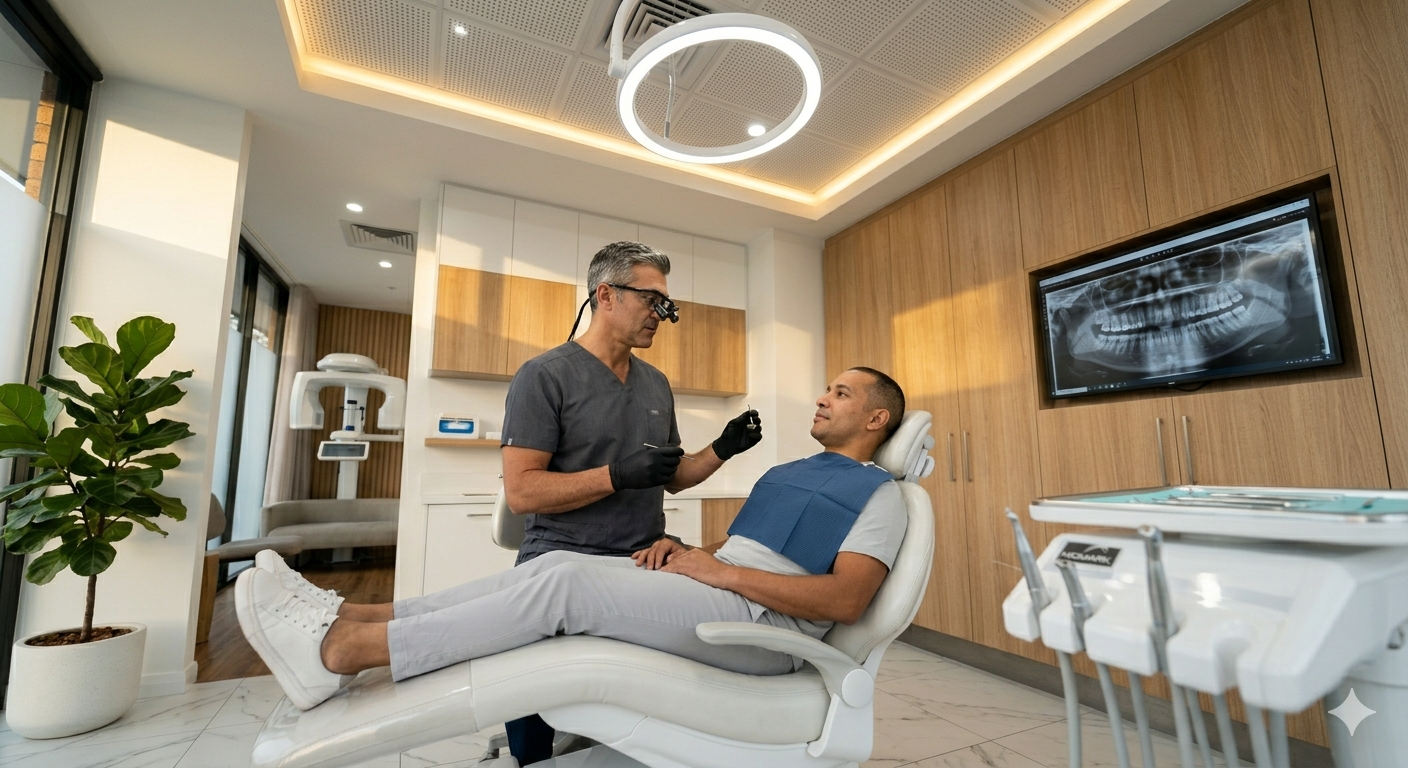
You need clear, fast help when a toothache, broken tooth, or sudden swelling hits — and North Phoenix emergency dental services stand ready to treat pain, stop infection, and save teeth on short notice. Local clinics offer same-day or after-hours care, pain control, and quick diagnostic treatment to stabilize urgent problems so you can get back to everyday life.
This article explains how to recognize true dental emergencies, what treatments you might receive, and how to choose a trusted North Phoenix practice that prioritizes comfort and modern care. Expect practical tips on preparing for an urgent visit, preventing future episodes, and next steps for follow-up so you feel informed and supported.
Recognizing Dental Emergencies
Patients should know which symptoms need immediate attention, which can wait for a scheduled visit, and how to manage pain or bleeding briefly until they reach care. Clear signs include uncontrolled bleeding, severe pain, swelling, and loose or knocked-out teeth.
Common Signs of Urgent Dental Issues
Severe, persistent tooth pain that prevents sleep or normal activity often signals infection, a cracked tooth, or exposed nerve. Pain that radiates to the jaw, ear, or temple and is accompanied by fever suggests spreading infection and requires prompt evaluation.
Visible, continuous bleeding from the mouth that does not stop after 15 minutes of firm pressure needs immediate treatment to prevent blood loss and infection. A tooth knocked completely out should be handled quickly; keep it moist and see a dentist within an hour for the best chance of reimplantation.
Rapidly increasing facial or neck swelling that affects swallowing or breathing can indicate a deep-space infection and is a medical emergency. Signs of trauma with jaw misalignment, loose permanent teeth, or bone fragments in the mouth also qualify as urgent.
When to Seek Immediate Care
Seek same-day care for severe pain unrelieved by over-the-counter analgesics, especially when paired with fever or facial swelling. Immediate attention is necessary for wounds that involve tooth fragments, puncture injuries, or oral lacerations that continue to bleed.
Knocked-out permanent teeth have the highest salvage rate if treated within 30–60 minutes; place the tooth in milk or saliva and avoid scrubbing the root. If a crown or filling is lost and causes sharp pain or exposed dentin, prompt dental repair prevents infection and further damage.
If breathing becomes difficult, swallowing is painful, or the face/neck swells quickly, go to an emergency room while contacting a dentist. Patients on blood thinners who experience oral bleeding should seek urgent assessment to manage clotting risks.
Situations That Can Safely Wait
Minor toothaches without swelling, low-grade sensitivity to cold, or a chipped tooth that is not painful can often wait for a next-day or routine appointment. Small, stable crowns or fillings that fall out without pain usually require scheduled replacement rather than emergency repair.
Mild gum bleeding after brushing or flossing, isolated tooth sensitivity to sweets, and cosmetic concerns (staining or small chips) do not need same-day care. A loose primary (baby) tooth in children is normal and rarely requires urgent treatment unless pain, swelling, or unusual mobility occurs.
Chronic jaw soreness from teeth grinding or a gradually worsening bite problem is better managed through a planned visit for diagnosis and conservative treatment like mouthguards or occlusal adjustments. For any uncertainty, calling the dental office for guidance helps decide whether immediate care is necessary.
Types of Emergency Treatments
This section outlines common urgent dental problems and the specific steps clinicians take to preserve teeth, relieve pain, and prevent infection. It focuses on immediate actions patients can expect and what providers prioritize during treatment.
Managing Broken or Knocked-Out Teeth
A knocked-out permanent tooth needs treatment within 30–60 minutes for the best chance of reattachment. The tooth should be handled by the crown only, rinsed gently if dirty, and stored in milk or saline; avoid scrubbing the root.
Dentists perform a reimplantation procedure under local anesthetic, splint the tooth to adjacent teeth for 1–2 weeks, and prescribe antibiotics or a tetanus update if indicated. Follow-up includes X-rays and bite adjustments to check for root damage.
For fractured teeth, the approach depends on depth. Minor enamel chips often receive smoothing and bonding. If the fracture reaches the pulp, a root canal or pulp capping may be necessary to prevent infection and preserve the tooth structure.
Crowns or onlays restore function and appearance once the tooth is stable. Pain control uses NSAIDs and local anesthetic during procedures. Patients receive specific home-care instructions to avoid stressing the tooth while it heals.
Treatment for Severe Toothaches
Severe tooth pain often signals pulp inflammation or infection and requires prompt evaluation. Dentists take a history of the pain (onset, triggers, intensity) and use clinical tests and X-rays to identify decay, cracked teeth, or referred pain from sinus issues.
Initial pain management includes NSAIDs and, if needed, short-term opioids for acute cases, although providers prioritize definitive care over prolonged prescriptions.
If the pulp is infected, root canal therapy removes the diseased tissue, disinfects the canals, and seals them to relieve pain and save the tooth. For irreparably damaged teeth, extraction followed by options like implants or bridges is discussed.
Temporary measures such as sedative dressings or antibiotics may be used while arranging definitive treatment. Clear post-procedure instructions cover swelling control, diet, and signs that require immediate reassessment.
Dealing With Infections and Abscesses
Dental infections can cause swelling, fever, and spreading cellulitis; they can escalate rapidly and sometimes require emergency intervention. Clinicians assess the airway, facial swelling, and systemic signs first to determine if hospital referral is needed.
For localized abscesses, drainage through the tooth or a small incision reduces pressure and pain. Dentists combine drainage with targeted antibiotics based on clinical judgment and medical history.
Definitive treatment targets the infection source: root canal to remove infected pulp or extraction if the tooth cannot be saved. Imaging guides decision-making and helps identify sinus or bone involvement.
Patients receive clear instructions on completing antibiotic courses, oral hygiene during healing, soft-food diets, and when to seek urgent care for worsening symptoms like increasing swelling, difficulty breathing, or persistent fever.
What to Expect During an Emergency Visit
Patients can expect a quick intake, focused diagnostics, and immediate pain control to stabilize the situation. The team prioritizes comfort, clear explanations, and a straightforward plan for treatment and follow-up.
Comfort-Focused Exams and Diagnostics
The dental team begins with a brief medical-history review and a targeted intake form to note allergies, current medications, and the onset and severity of the problem. They perform a visual exam and palpation to locate swelling, bruising, or loose teeth.
Digital X-rays or a cone-beam CT scan are used when needed to check fractures, root problems, or hidden infections. These images are taken chairside and reviewed with the patient on a monitor, so findings are clear and understandable.
Staff offer comfort measures such as warm blankets, noise-cancelling headphones, and adjustable chair positioning. They explain each step in simple terms, set expectations for time in the chair, and confirm consent before any diagnostic procedure.
Pain Management and Patient Support
Clinicians prioritize immediate pain relief with targeted local anesthesia, short-acting oral analgesics, or short courses of prescribed opioids only when appropriate. For swelling or infection, they may start antibiotics the same day based on clinical signs and imaging.
For severe anxiety, the office provides nitrous oxide or oral sedatives when pre-screening allows; fasting or escort requirements are explained up front. Staff coach patients through what sensations to expect as anesthesia wears off and give written aftercare instructions.
Before discharge, the team reviews follow-up steps, emergency contact numbers, and signs that warrant an urgent return visit. They also schedule definitive care—such as root canal therapy, splinting, or extraction—and discuss payment, insurance, and financing options.
How to Prepare for an Urgent Dental Appointment
Preparing efficiently makes the visit faster and reduces stress. Collect medical details, payment info, and any items that ease pain or bleeding before leaving home.
Steps to Take Before You Arrive
Call the clinic immediately to describe symptoms, pain severity, and whether bleeding, swelling, or fever are present. This lets staff triage the case and prepare necessary instruments or medications.
Control pain and bleeding at home: rinse with warm salt water, apply a cold pack to reduce swelling (20 minutes on, 20 minutes off), and take OTC pain relievers such as ibuprofen unless contraindicated. Avoid placing aspirin directly on gums; it can burn tissue.
If a tooth is knocked out, handle it by the crown only, rinse debris with saline or milk (do not scrub), and keep it moist in milk or saliva. Bring the tooth to the appointment; prompt replantation within an hour improves the chance of saving it.
Wear comfortable clothing and plan for transportation if sedation or heavy pain medication is likely. Arrive a few minutes early to complete any intake paperwork and allow staff to begin assessing you right away.
Important Information to Bring
Bring a valid photo ID and insurance card if available. If uninsured, ask about payment options or sliding-scale fees when calling; some clinics accept credit, debit, or CareCredit.
Provide a list of current medications, including dosages, over-the-counter drugs, and supplements (e.g., blood thinners, bisphosphonates, herbal supplements). Note allergies to local anesthetic, penicillin, latex, or sulfa drugs — this prevents dangerous reactions and guides antibiotic choices.
Bring recent dental records or x-rays if possible; many clinics can request them, but having them speeds diagnosis. If the patient is a child or someone with special needs, bring a consent form or guardian and any behavior-support items that calm them.
Pack a small kit: gauze, a resealable bag for a knocked-out tooth, bottled water, and a list of emergency contacts. Include the clinic’s phone number and directions or a screenshot of the route to avoid delays.
How Emergency Dentists Protect Your Oral Health
Emergency dentists stop problems from worsening and restore function quickly. They control pain, reduce infection risk, and plan repairs that prevent future tooth loss or bite problems.
Preventing Long-Term Complications
When a tooth is fractured or an abscess forms, prompt treatment reduces the chance of spread to nearby teeth and bone. The dentist will perform a focused exam, take digital X-rays, and drain infections or place temporary crowns to stabilize the area.
They use targeted antibiotics and local anesthesia when needed to control infection and pain without unnecessary delays. For deep fractures, immediate root canal therapy or referral to an endodontist prevents pulp death and eventual extraction.
Emergency teams also address soft-tissue injuries—suturing lacerations and removing foreign material—to avoid scarring and chronic inflammation. They document the visit and schedule follow-ups to complete definitive care and monitor healing.
Restoring Your Smile’s Function
Emergency dentists prioritize chewing, speech, and esthetics while minimizing time away from daily life. For knocked-out teeth, they attempt reimplantation within the critical first hour, using splints to stabilize the tooth and scheduling rapid endodontic follow-up.
When teeth are cracked or lost, they provide temporary crowns, bonded bridges, or same-day implant consults to preserve tooth positions and bite alignment. These measures prevent adjacent teeth from shifting and reduce occlusal (bite) problems that lead to jaw pain.
They coordinate with labs and specialists to move from temporary fixes to durable restorations—porcelain crowns, dental implants, or fixed bridges—based on the patient’s health and preferences. Clear explanations of options and timelines help patients make informed choices and return to normal function.
Choosing the Right Practice in North Phoenix
A patient should prioritize quick access, clear communication, and proven emergency experience when selecting a dental practice. Practical details like evening hours, insurance acceptance, and on-site imaging matter just as much as bedside manner.
Qualities to Look For in an Emergency Dentist
Look for a dentist who lists specific emergency services—unplanned extractions, root canal therapy for acute pain, and treatment of dental trauma—on their website. Confirm they publish hours that include evenings or weekends and offer same-day or next-day appointments to avoid prolonged pain.
Verify credentials: board certifications, state licensure, and membership in organizations such as the American Dental Association. Read recent patient reviews that mention timely care, pain control, and follow-up. Ask whether the practice maintains written emergency protocols and coordinates with local urgent care or hospitals for severe facial injuries.
Assess communication: a clear phone triage process, staff who explain costs and insurance, and consent-focused treatment discussions matter. Check for bilingual staff if language is a concern. Transparency about fees, sedation options, and post-care instructions reduces stress during emergencies.
Modern Technology and Comfort Options
Choose a practice with digital X-rays and cone-beam CT when available; these tools speed diagnosis of fractures, abscesses, and root issues while reducing radiation exposure. In-house imaging often cuts appointment time from multiple visits to one focused treatment session.
Confirm the office uses electric handpieces, rotary endodontic systems, and ultrasonic scalers for efficient, less traumatic procedures. Nitrous oxide, oral sedatives, or IV sedation options should be listed for patients with severe anxiety or complex extractions.
Look for patient-centered comfort features: private treatment rooms, noise-cancelling headphones, blankets, and clear written aftercare instructions. Also check whether the practice offers direct billing to major insurers and a transparent estimate policy to avoid surprise costs.
Tips for Preventing Future Dental Emergencies
Consistent daily care and timely dental visits reduce the chances of sudden pain, broken teeth, and infections. Small changes in habits and scheduling regular professional checks keep teeth strong and problems caught early.
Everyday Habits That Protect Teeth
They should brush twice daily with a soft-bristled brush and fluoride toothpaste for two minutes, covering all surfaces. Flossing once a day removes plaque between teeth; interdental brushes or water flossers work well for bridges and tight contacts.
Limit acidic and sugary snacks; choose cheese, nuts, or raw vegetables for snacks instead of sticky candies. Rinse with water after consuming citrus, soda, or wine to reduce acid exposure.
Avoid using teeth as tools—no opening bottles, tearing packages, or biting hard materials. Wear a properly fitted mouthguard for contact sports and a nightguard for teeth grinders (bruxism).
Quit smoking and limit alcohol; both impair healing and increase risk of gum disease. Replace worn toothbrushes every three months or after illness to maintain cleaning effectiveness.
Importance of Routine Checkups
They should schedule dental exams and cleanings every six months, or more often if the dentist recommends it for gum disease, implants, or medication-related risks. Professional cleanings remove hardened tartar that brushing cannot, lowering infection and decay risk.
Digital X-rays and oral cancer screenings during visits detect cracks, cavities, bone loss, and early lesions before they become emergencies. Discussing changes—loose teeth, persistent sensitivity, or bite shifts—helps the dentist tailor preventive care.
Patients with medical conditions like diabetes or on medications that reduce saliva should have more frequent monitoring and targeted fluoride treatments. The dental team can fit custom guards, apply sealants, or plan restorative work to prevent future acute problems.
Next Steps and Support for Patients
Patients should contact the North Phoenix emergency dental clinic as soon as possible after an urgent dental event. The team offers same-day or next-available appointments and triages callers to prioritize severe pain, bleeding, or swelling.
They will explain typical immediate treatments such as pain control, temporary restorations, and infection management. These steps stabilize the situation and create a clear plan for follow-up care, often including definitive restoration or referral to a specialist.
Insurance, payment options, and financial counseling are discussed up front to reduce stress. The clinic accepts major insurers, offers affordable out-of-pocket options, and can arrange payment plans when needed.
Patients receive written aftercare instructions and prescriptions when appropriate. Following these instructions reduces complications and speeds recovery.
For ongoing comfort, the practice emphasizes preventive follow-up: routine exams, cleanings, and night guards if grinding contributed to the emergency. Preventive care lowers the chance of repeat emergencies and supports long-term oral health.
They encourage patients to ask questions about risks, recovery timelines, and alternatives. Call or schedule online for an evaluation, and bring a list of medications, recent X-rays if available, and any dental insurance information.
Frequently Asked Questions
This section answers specific questions about what counts as a dental emergency, where to find late-night care in North Phoenix, immediate home steps for knocked-out or broken teeth, typical emergency visit costs and payment options, AHCCCS acceptance at urgent clinics, and what to expect for swelling or infection treatment.
What counts as a dental emergency, and when should I go in right away versus wait until morning?
A dental emergency includes uncontrolled bleeding, severe pain that won’t stop with OTC meds, knocked-out teeth, broken teeth with sharp fragments, and signs of spreading infection such as fever or facial swelling. If bleeding or pain is severe, a tooth is completely knocked out, or there are breathing or swallowing problems, they should seek care immediately.
Minor pain, a small chip without sharp edges, or a lost temporary filling can usually wait until morning if symptoms are manageable. Use pain relievers, avoid chewing on the side, and call the dentist to report symptoms and get specific instructions.
Where can I find a dentist that’s open late or available 24/7 for urgent tooth pain in the North Phoenix area?
Search for “urgent dental care North Phoenix” or “emergency dentist 24/7 North Phoenix” to find clinics and hospital-affiliated dental services. Local dental offices often list after-hours phone numbers; some urgent care centers refer to on-call dentists.
Call ahead to confirm availability, hours, and whether they accept walk-ins; many offices post real-time updates on Google Business or their websites. Hospitals with oral surgery departments can handle severe trauma or infections outside regular hours.
What should I do at home to protect a knocked-out or broken tooth before I can get to the dentist?
For a knocked-out tooth, pick it up by the crown only, rinse gently with water if dirty, and try to reinsert it into the socket without forcing. If reinsertion is not possible, keep the tooth moist in milk, saline, or the patient’s saliva and get to the dentist within 30–60 minutes for the best chance of reimplantation.
For a broken tooth, save any fragments and rinse the mouth with warm water. Apply a cold pack to reduce swelling, cover sharp edges with dental wax or sugar-free gum, and take OTC pain relief as directed until professional care is available.
How much does an emergency dental visit usually cost, and what payment options are available if I don’t have insurance?
Emergency dental visit fees in North Phoenix commonly range from $100–$300 for an exam and X-rays, with additional costs for procedures such as extractions ($200–$800), root canals ($600–$1,500), or restorations. Prices vary by clinic, procedure complexity, and whether sedation or imaging is required.
Many clinics accept cash, credit cards, CareCredit, and in-office payment plans. Ask the clinic about a treatment estimate and financing options before non-life-threatening procedures to avoid surprises.
Do any urgent dental clinics accept AHCCCS, and what should I bring to my appointment to check eligibility?
Some urgent dental clinics and community health centers in the Phoenix area accept AHCCCS (Arizona Medicaid), but acceptance varies by facility and provider. Call clinics ahead to confirm enrollment and current policies.
Bring a valid photo ID, current AHCCCS card, and proof of address to verify eligibility. If coverage limitations apply, clinics can explain covered services and any out-of-pocket costs.
If my face is swelling or I think I have an infection, what treatment can I expect and how quickly can I be seen?
Facial swelling and signs of infection—fever, warmth, spreading redness, or severe pain—require prompt evaluation; many clinics prioritize these patients for same-day or next-available appointments. The dentist will assess for abscess, order imaging if needed, and often start antibiotics and pain control immediately.
Treatment may include drainage of an abscess, tooth extraction, root canal therapy, or referral to an oral surgeon or hospital for IV antibiotics if the infection threatens the airway. Follow-up care and monitoring happen within days to ensure the infection resolves.