
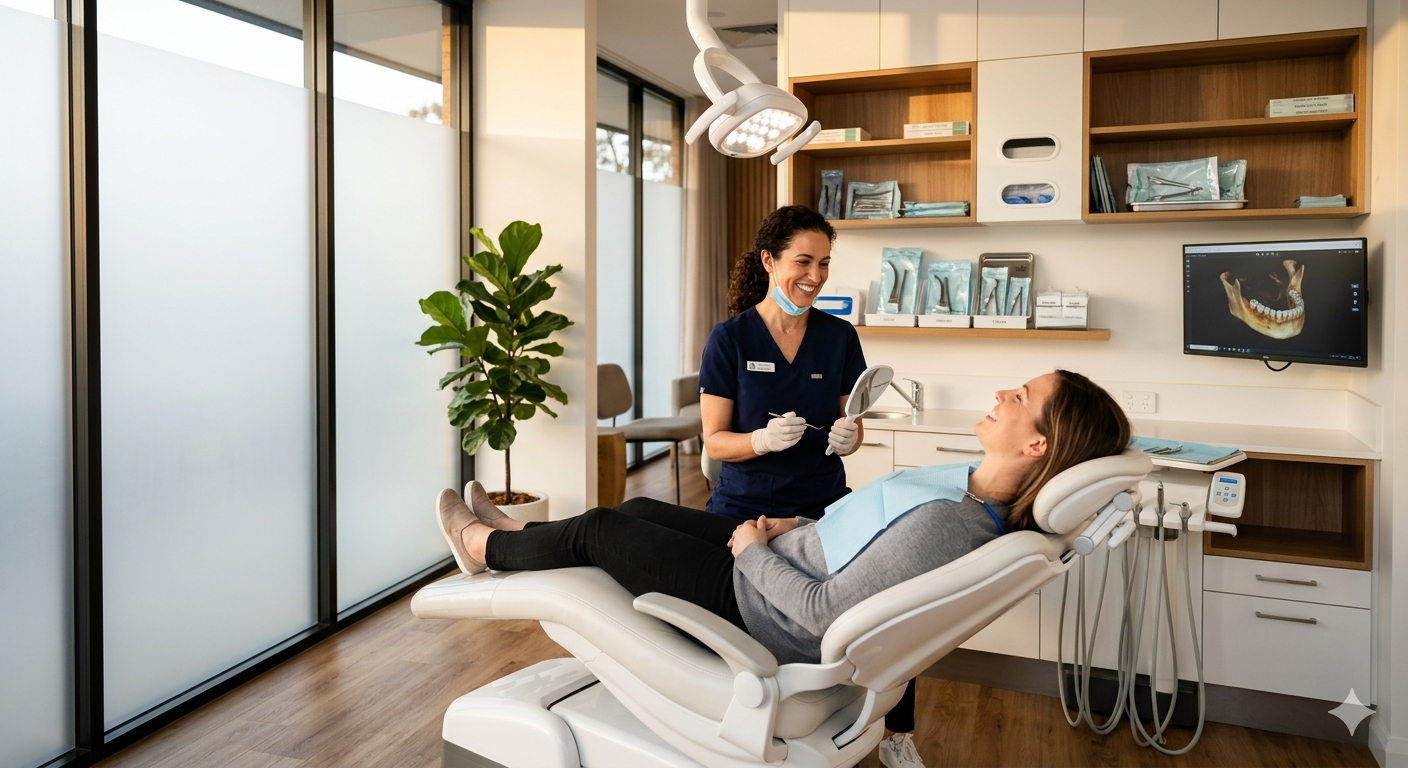
If someone in North Phoenix is missing one or more teeth, dental implants offer a strong, natural-looking solution. Dental implants are titanium posts surgically placed into the jawbone to support replacement teeth that look, feel, and function like real teeth. This approach helps restore smiles while preserving bone health and improving chewing ability.
Many patients appreciate that implants are designed to last for years with proper care, making them a reliable choice compared to dentures or bridges. Local dental professionals in North Phoenix provide personalized treatment plans that focus on comfort and minimizing recovery time.
By choosing dental implants, residents of North Phoenix can expect a modern, effective way to regain confidence in their smile. If questions arise or more information is needed, a consultation with a neighborhood expert can guide the best next steps.
Benefits of Choosing Dental Implants
Dental implants offer practical advantages that improve daily life and long-term oral health. They provide a secure, natural-feeling solution that goes beyond cosmetic fixes, making eating, speaking, and smiling easier and more comfortable. Patients often appreciate how implants blend function with durability.
Restoring Confidence and Comfort
Dental implants closely mimic natural teeth in both appearance and function. Unlike dentures, implants are anchored directly into the jawbone, which keeps them stable and prevents slipping or clicking during conversation or eating. This stability helps people regain confidence in social settings.
Because implants feel like real teeth, they reduce irritation and soreness often caused by removable dentures. This comfort lets patients eat a wider range of foods without fear of pain or embarrassment. Smiling without hesitation becomes easier when implants replace missing teeth effectively and discreetly.
Durability and Longevity
One of the main reasons people choose dental implants is their long-lasting nature. With proper care, implants can last 20 years or more, making them a cost-effective option over dentures or bridges that may need frequent replacement.
Implants are made from titanium, a strong, biocompatible material that integrates with the jawbone through a process called osseointegration. This fusion ensures a reliable, sturdy foundation that resists decay and damage better than other options. Routine dental visits and good oral hygiene help maintain implant health.
Supporting Oral Health
Beyond replacing missing teeth, dental implants help maintain the overall structure of the mouth. When a tooth is lost, the jawbone can start to shrink due to lack of stimulation. Implants stimulate the bone similarly to natural tooth roots, preserving bone density.
Unlike bridges, implants do not require altering adjacent teeth, which helps keep healthy teeth intact. This support aids in maintaining proper bite alignment and prevents issues like shifting teeth or gum recession. Dental implants encourage better oral hygiene by making it easier to clean between teeth.
Types of Implant Solutions
Dental implants in North Phoenix come in a variety of forms, each designed to fit specific needs. Whether replacing one tooth or multiple, implant options offer stability, function, and a natural look. Understanding these choices helps patients make informed decisions.
Single Tooth Replacement Options
For patients missing one tooth, a single dental implant is a reliable solution. The implant replaces the root with a titanium post implanted in the jawbone. After healing, a custom crown is attached, matching the color and shape of the surrounding teeth. This option preserves nearby teeth since it doesn’t require grinding down adjacent teeth like traditional bridges do.
The implant feels and functions like a natural tooth, making it easier to chew and speak clearly. It also prevents bone loss in the jaw, which often occurs when teeth are missing. Single implants have high success rates and can last many years with proper care.
Implant Bridges
When multiple teeth in a row are missing, implant bridges provide a practical alternative. Instead of placing an implant for every missing tooth, two or more implants support a bridge that replaces several teeth. This method reduces the number of implants needed, lowering overall costs and surgery time.
Implant bridges restore chewing function and improve speech. They help maintain the jawbone’s integrity because the implants stimulate bone growth. The bridges are securely fixed in place, unlike removable partial dentures, offering more comfort and stability. Patients appreciate the natural appearance and durability of implant-supported bridges.
Implant-Supported Dentures
For those missing most or all teeth on the upper or lower jaw, implant-supported dentures can be life-changing. Unlike traditional dentures that rest on the gums, these dentures attach firmly to several implants placed in the jaw. This prevents slipping and improves chewing ability significantly.
Patients often find implant-supported dentures more comfortable because they don’t press on gums or cause sore spots. The implants also slow bone loss, helping maintain the facial structure longer. These dentures can be removable or fixed, depending on the patient’s preference and oral health. Overall, they offer a secure, long-term tooth replacement option.
Candidacy for Implants
Determining if dental implants are the right choice involves understanding the patient’s overall health, jawbone condition, and lifestyle habits. These factors shape how successful the implant process will be and influence recovery times.
Ideal Candidates
Ideal candidates for dental implants have good oral and general health. They typically have healthy gums free of active disease, as healthy tissue helps implants heal and integrate with the bone.
Adults with fully developed jawbones are the best candidates, as implant stability depends on dense bone. Non-smokers or light smokers tend to have better outcomes since smoking can interfere with healing. Patients should also be committed to good oral hygiene and regular dental checkups to maintain implant health.
Common Health Considerations
Certain medical conditions can affect candidacy for implants. Diabetes, for example, needs to be well-controlled because high blood sugar levels slow healing and increase infection risk.
Autoimmune diseases, radiation therapy in the mouth, and medications like bisphosphonates require careful evaluation. Dentists will often coordinate with a patient’s physician to ensure implant safety. Age alone isn’t a barrier, but conditions that impair bone healing or immune response must be addressed before proceeding.
Addressing Bone Loss
Adequate bone mass in the jaw is critical for implant stability. Patients missing teeth for years may experience bone loss, complicating implant placement.
Bone grafting procedures can rebuild the jawbone using synthetic material or donor bone. These treatments add time but improve the chance of a successful implant. Imaging tools like 3D scans help dentists evaluate bone quality and plan any necessary grafts before surgery.
The Dental Implant Process
Dental implants involve several carefully planned steps that ensure a stable, long-lasting replacement for missing teeth. Each phase focuses on patient comfort and precise treatment to promote successful healing and integration with the jawbone.
Personalized Consultation
During the initial consultation, the dentist evaluates the patient’s oral health and discusses their medical history. This visit often includes X-rays or 3D scans to examine the jawbone’s condition and determine the best implant placement.
The dentist also talks through the patient’s expectations, lifestyle, and any concerns to tailor the treatment plan. This personalized approach helps ensure the implant fits naturally and functions properly within the mouth.
Implant Placement Procedure
The implant placement is a minor surgical procedure usually performed under local anesthesia. The dentist inserts a titanium post into the jawbone, which acts as the tooth root.
Over the next few months, the implant fuses with the bone in a process called osseointegration. Once stable, an abutment and custom crown are attached, restoring the tooth’s appearance and function.
Aftercare and Recovery
After implant surgery, patients receive detailed aftercare instructions to manage discomfort and reduce swelling. Common recommendations include soft foods, gentle oral hygiene, and avoiding strenuous activity for several days.
Follow-up appointments monitor healing and confirm the implant is integrating properly. Maintaining good oral hygiene and regular dental visits help protect the implant’s longevity and the health of surrounding teeth and gums.
Why Local Expertise Matters
Choosing a dental implant provider in North Phoenix means more than just finding someone with technical skill. It involves selecting a professional who understands the unique dental concerns of the area and can tailor treatments accordingly. This local know-how impacts both care quality and patient comfort.
Benefits of Specialized Care
Dentists specializing in dental implants focus deeply on the procedures, staying current with the latest tools and techniques. This specialization ensures precise implant placement, reducing healing times and complications. Local experts often have experience handling common regional dental issues like dry mouth from Arizona’s dry climate, which can affect implant success.
Their offices typically use advanced imaging technology, like 3D scans, to customize treatment plans. This means patients benefit from personalized care that fits their bone structure and lifestyle. Specialist care increases the likelihood implants last longer and feel natural—key factors for patient satisfaction.
Familiarity with Community Needs
A North Phoenix dental expert understands the lifestyles, health concerns, and even the diet common in the community. This familiarity helps them anticipate challenges and recommend preventive steps tailored to the local environment.
For example, they know many patients face higher risks of gum disease due to common regional habits like high caffeine intake or exposure to dust. By recognizing these patterns, they can offer guidance beyond the dental chair, ensuring implants thrive long-term.
Local providers also build stronger relationships over time, creating a comfortable space for questions and follow-ups. This ongoing care is crucial to monitor healing and maintain implant health in the months and years after placement.
Modern Technology in Implant Dentistry
Dental implant procedures have become much more precise and comfortable thanks to new tools and techniques. These improvements help dentists plan carefully and perform surgery with less pain and faster healing.
Advanced Imaging Techniques
Dentists now use 3D cone beam computed tomography (CBCT) scans to get detailed images of the jawbone and surrounding structures. This helps in assessing bone density, nerve locations, and sinus cavities, making the implant placement safer and more accurate.
Digital impressions replace messy molds by capturing a precise 3D model of the mouth. This speeds up the design of custom implants and crowns, ensuring a better fit and natural look.
With these imaging advances, patients experience fewer surprises during surgery, shorter treatment times, and a higher success rate.
Minimally Invasive Methods
Modern implant surgery often involves less cutting and trauma to gum tissue. Techniques like flapless implant placement allow dentists to insert implants through small openings without full gum flaps.
These methods reduce bleeding, swelling, and discomfort after surgery. They also help the patient recover faster and maintain healthier gums around the implant site.
Guided implant surgery uses computer-generated templates to direct implant placement precisely. This minimizes risks and improves overall treatment outcomes.
Patient Stories and Experiences
Many patients in North Phoenix share positive experiences with dental implants that helped restore their confidence and smiles. One patient described the process as “surprisingly comfortable,” emphasizing the caring approach of the dental team.
Another patient appreciated the clear communication about what to expect before, during, and after the procedure. They noted how this understanding made the entire treatment less stressful and more manageable.
Some patients highlighted the convenience of modern implant technology. They valued quick healing times and the natural look of their new teeth. For example, one shared that eating favorite foods became enjoyable again after years of difficulty.
Common themes among patient reviews include:
- Friendly, supportive staff
- Thorough explanations of each step
- Minimal discomfort during treatment
- Noticeable improvement in daily life
A few patients mentioned some initial nerves but said their fears eased quickly thanks to the gentle care provided. This speaks to the clinic’s focus on patient comfort and reassurance throughout the implant journey.
If you’re curious about how dental implants could fit into your life, hearing these stories might help you feel more at ease. Many find that a consultation is the best way to explore personalized treatment options.
Maintaining Your Implants
Taking good care of dental implants is essential to keep them strong and healthy for years. Proper daily habits and professional checkups both play important roles in protecting your investment and oral health.
Daily Care Tips
Brushing is crucial. They should use a soft-bristled toothbrush twice a day to clean around implants gently, avoiding hard scrubbing that could irritate gums. Fluoride toothpaste helps prevent decay on surrounding teeth.
Dental floss or interdental brushes should be used daily to clean between implants and natural teeth, removing plaque where a toothbrush can’t reach. Special implant-friendly floss is a good option if regular floss feels difficult.
Avoid excessively hard or sticky foods that could damage implants or surrounding gum tissue. Staying hydrated and rinsing with an antimicrobial mouthwash can also help reduce bacteria around implants.
Regular Dental Visits
Routine checkups every 6 months allow the dentist to monitor implant health and catch any issues early. X-rays are taken to examine the bone level around implants, ensuring they stay firmly anchored.
Dental cleanings done by a professional remove hardened plaque that daily brushing misses. This prevents gum disease, which can threaten implant stability.
If any signs of infection or inflammation appear, early treatment can prevent implant failure. Scheduling timely appointments supports long-term success and comfort for those living with implants.
Taking the Next Steps
When considering dental implants in North Phoenix, the first step is a thorough consultation. During this visit, the dentist evaluates oral health, discusses medical history, and explains the implant process in simple terms.
Patients can expect clear answers about what to expect before, during, and after the procedure. This helps ease concerns and sets realistic expectations.
Key points to prepare for the consultation:
- Bring a list of current medications
- Note any dental concerns or questions
- Share past experiences with dental treatments
After the evaluation, the dentist may recommend imaging tests like X-rays or 3D scans. These provide a detailed view of bone structure, helping tailor the implant plan to the patient’s unique needs.
Dental implant treatment involves multiple steps spaced over weeks or months to ensure comfort and success. Each phase is explained, so patients feel informed and confident.
To support healing and implant success, patients receive guidance on diet, oral hygiene, and lifestyle habits. The dental team remains available for follow-up questions or concerns at any point.
Taking the next step means scheduling a consultation to explore personalized options. This proactive approach ensures patients feel supported and understood from start to finish.
Frequently Asked Questions
Finding the right solution for missing teeth can feel overwhelming. Costs, treatment types, candidacy, and payment options all come into play when considering dental implants in North Phoenix.
How much do dental implants typically cost, and what factors can change the price?
Dental implant costs in North Phoenix generally range from $3,000 to $5,000 per implant. The price varies based on the need for bone grafts, the type of implant used, and whether additional procedures like extractions are required.
Insurance coverage and the complexity of the case can also affect the overall expense.
What’s the difference between a single implant, an implant-supported bridge, and implant dentures?
A single implant replaces one missing tooth with a crown. An implant-supported bridge uses two or more implants to hold multiple replacement teeth in place.
Implant dentures are full-arch prosthetics secured by several implants for improved stability.
How do I know if I’m a good candidate for implants if I’ve had missing teeth for a while?
Good candidates usually have healthy gums and enough jawbone to support implants. If bone loss has occurred, a bone graft might be needed first.
A thorough exam and imaging will help determine candidacy.
What does the implant process look like from consultation to final crown, and how long does it usually take?
The process begins with a consultation and imaging. Surgery to place the implant follows, with healing time lasting 3-6 months.
After healing, the crown or prosthetic is attached. Total treatment can take 4-9 months depending on individual healing.
Are there low-cost options, payment plans, or clinics that can help if I’m on a tight budget?
Many North Phoenix dental offices offer financing plans or work with third-party lenders. Some community clinics provide reduced-cost treatments.
Discount programs and dental schools are also potential options for lower fees.
How do I choose a trusted implant provider, and what should I look for in reviews and credentials?
Seek providers who specialize in implant dentistry with advanced training. Check patient reviews for comfort, results, and aftercare.
Board certifications and memberships in professional organizations indicate a commitment to quality care.