
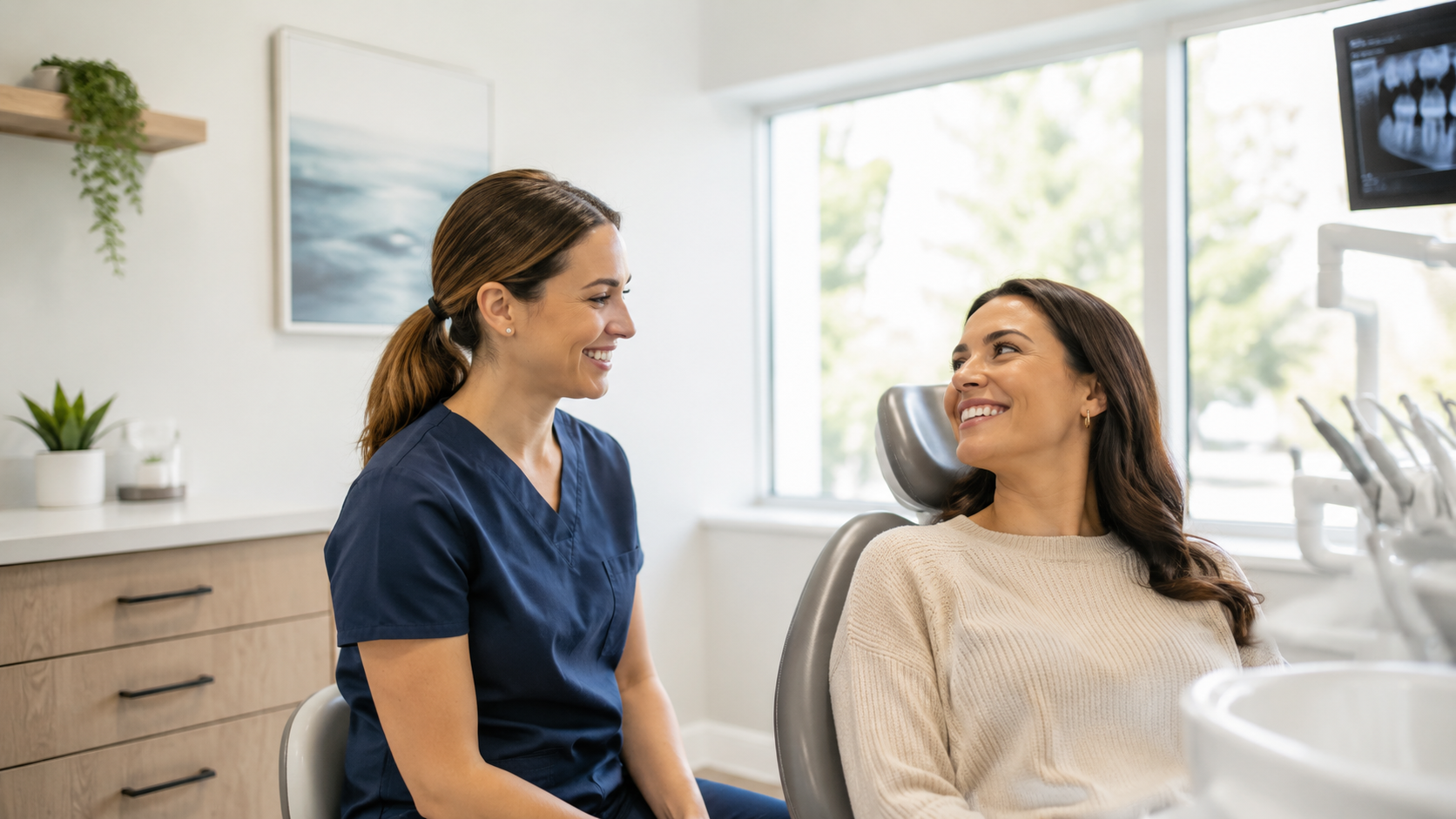
A confident smile can make everyday moments feel easier, from greeting a neighbor to taking family photos or walking into an important meeting. For many patients, cosmetic dentistry is not about creating a “perfect” smile. It is about helping teeth look brighter, more balanced, healthier, and more natural.
For patients exploring cosmetic dentistry options in North Phoenix, AZ, the good news is that modern dental care offers many choices. Some treatments are quick and conservative, while others can address several concerns at once. The best option depends on a patient’s goals, oral health, timeline, budget, and comfort level.
This article is for educational purposes only and does not replace a personalized dental exam or professional advice. Anyone considering cosmetic treatment should consult a licensed dentist to discuss risks, benefits, costs, and which options are appropriate for their teeth and gums.
What Is Cosmetic Dentistry?
Cosmetic dentistry focuses on improving the appearance of the teeth, gums, and overall smile. It may address tooth color, shape, size, spacing, alignment, or visible damage. While the main goal is appearance, many cosmetic treatments also support dental function and long-term oral health.
For example, repairing a chipped tooth with bonding can improve how the tooth looks while also smoothing a rough edge. A crown can restore a weakened tooth and improve its shape. Clear aligners can help straighten teeth, which may also make brushing and flossing easier.
A thoughtful cosmetic plan begins with healthy teeth and gums. Before whitening, veneers, or aligners, a dentist may recommend treating cavities, gum inflammation, worn restorations, or bite concerns. This helps cosmetic results look better and last longer.
Common Cosmetic Dentistry Options in North Phoenix, AZ
Patients in North Phoenix have access to a variety of modern cosmetic dental treatments. Each option has different uses, advantages, and considerations. A dentist can help match the treatment to the patient’s smile goals and oral health needs.
Professional Teeth Whitening
Teeth whitening is one of the most popular cosmetic dental treatments because it is simple, non-invasive, and can make a noticeable difference. Professional whitening can help reduce stains caused by coffee, tea, red wine, tobacco, and normal aging.
Unlike many over-the-counter products, professional whitening is supervised by a dental team. This matters because not every type of discoloration responds the same way. Yellow-toned stains often brighten more predictably than gray discoloration, internal stains, or color changes from old dental work.
Patients may choose in-office whitening, take-home whitening trays, or a combination approach. A dentist can also check for sensitive teeth, gum recession, cavities, or exposed roots before whitening. This helps reduce unnecessary discomfort and supports safer results.
Dental Bonding
Dental bonding uses tooth-colored composite resin to repair or reshape a tooth. It can be a good option for small chips, minor gaps, uneven edges, or isolated discoloration. The material is carefully matched to the surrounding teeth and sculpted directly onto the tooth.
Bonding is often completed in one visit and usually requires little to no removal of natural tooth structure. It is generally more affordable than porcelain veneers, which makes it appealing for patients who want a conservative improvement.
However, bonding may stain or wear over time, especially for patients who drink dark beverages often, bite their nails, chew ice, or grind their teeth. A dentist can explain how to care for bonding and when touch-ups may be needed.
Porcelain Veneers
Porcelain veneers are thin, custom-made shells that cover the front surface of teeth. They can improve the appearance of teeth that are discolored, worn, chipped, slightly misaligned, unevenly shaped, or spaced apart.
Veneers are often chosen by patients who want a more dramatic smile transformation. They are designed to look natural, reflect light like enamel, and resist staining better than many direct resin materials. Treatment usually involves planning, tooth preparation, impressions or digital scans, temporary veneers, and final placement.
Because veneers may require removing a small amount of enamel, they are considered a long-term commitment. Patients should understand the process, maintenance needs, and possible future replacement before moving forward.
Dental Crowns for Cosmetic and Restorative Needs
A dental crown covers the visible portion of a tooth. Crowns are often used when a tooth is cracked, heavily filled, weakened, misshapen, or severely discolored. They can improve appearance while also protecting the tooth structure underneath.
Modern crowns can be made from tooth-colored materials that blend with the smile. For front teeth, shade matching and shape design are especially important. For back teeth, strength and bite function are major priorities.
Although crowns can be cosmetic, they are usually recommended when a tooth needs more support than bonding or a veneer can provide. A dental exam and X-rays help determine whether a crown is appropriate.
Clear Aligners for Straighter Teeth
Clear aligners are removable trays that gradually move teeth into better positions. They are popular with adults and teens who want a more discreet alternative to traditional braces. Aligners may help with crowded teeth, spacing, mild bite issues, or teeth that have shifted after earlier orthodontic treatment.
Patients wear aligners for most of the day and remove them for eating, drinking anything besides water, brushing, and flossing. Success depends heavily on consistent wear and follow-up visits.
Clear aligners may not be the right fit for every orthodontic concern. More complex bite or jaw alignment needs may require a different approach. A dentist can evaluate whether aligners are a practical choice or if referral to an orthodontist is recommended.
Tooth-Colored Fillings
Tooth-colored fillings are often used to repair cavities or replace older metal fillings in visible areas. They are made from composite resin and can be shaded to match nearby teeth. While they are primarily restorative, they can also improve the appearance of a smile by creating a more natural look.
Patients with old, dark, or worn fillings may ask whether replacement is recommended. In many cases, a dentist will only suggest replacing a filling if it is cracked, leaking, loose, decayed around the edges, or causing a functional concern. Cosmetic replacement can be discussed, but healthy tooth structure should always be preserved when possible.
Gum Contouring
Some patients feel their smile shows too much gum tissue or that their gumline looks uneven. Gum contouring, sometimes called gum reshaping, can adjust the gumline to create a more balanced appearance.
This treatment may involve gently removing or reshaping small areas of gum tissue. In some cases, gum appearance relates to tooth eruption, gum health, or jaw structure, so an exam is important before choosing treatment.
Healthy gums are essential before any cosmetic gum procedure. If swelling or gum disease is present, periodontal care usually comes first.
Smile Makeovers
A smile makeover combines two or more cosmetic treatments to address multiple goals. For example, a patient may choose whitening before replacing an old crown, or aligners before veneers to improve tooth position first.
A smile makeover does not always mean major dental work. Sometimes, the right combination is simple: whitening, bonding one chipped tooth, and polishing rough edges. Other patients may need a more detailed plan involving crowns, veneers, or gum treatment.
The best smile makeovers look natural for the patient’s face, age, personality, and bite. A trusted dental team will focus on balance rather than one-size-fits-all results.
How a Dentist Helps Patients Choose the Right Option
Choosing cosmetic dental treatment can feel exciting, but it can also feel overwhelming. A consultation helps turn broad ideas into a clear plan. During a cosmetic consultation, the dentist may evaluate tooth color, enamel condition, gum health, bite alignment, tooth wear, previous dental work, and patient goals.
Patients are encouraged to share what they like and dislike about their smile. Helpful examples include photos of their own smile from years ago or images that show a preferred tooth shape or brightness. The goal is not to copy someone else’s smile, but to understand the patient’s preferences.
A dentist may also discuss practical details such as treatment length, maintenance, comfort, financing, and whether results are reversible or long-term. This gives patients the information they need to make a confident decision.
What to Consider Before Cosmetic Dental Treatment
Before beginning cosmetic dentistry, patients should consider a few important factors. First, oral health comes first. Cavities, gum disease, infections, and active dental pain should be addressed before elective cosmetic care.
Second, patients should think about maintenance. Whitening may need periodic touch-ups. Bonding may need polishing or repair. Veneers and crowns require good hygiene and regular dental visits. Clear aligners require daily commitment and retainers after treatment.
Third, patients should ask about realistic expectations. Cosmetic dentistry can create beautiful improvements, but teeth still need to function naturally. The most successful outcomes balance appearance, comfort, durability, and oral health.
Finally, cost varies widely based on the type of treatment, number of teeth involved, materials, and complexity. Insurance coverage may be limited for cosmetic procedures, although some treatments may include restorative benefits. The dental office can provide a personalized estimate after an exam.
Keeping Cosmetic Results Looking Their Best
Good daily habits make a major difference after cosmetic dental treatment. Patients can help protect their results by brushing twice a day, flossing daily, and keeping regular dental cleanings. A non-abrasive toothpaste may be recommended for veneers, bonding, or crowns.
Patients who grind or clench their teeth may benefit from a custom nightguard. Grinding can chip bonding, wear down natural enamel, or place extra stress on veneers and crowns. Addressing this habit early can help protect both cosmetic and natural teeth.
Diet also matters. Dark drinks such as coffee, tea, and red wine can stain natural teeth and bonding. Rinsing with water after these beverages and avoiding tobacco can help maintain a brighter smile. Patients should also avoid using teeth as tools to open packages or bite hard objects.
Why Local Cosmetic Dentistry Matters in North Phoenix
Working with a local dental team can make cosmetic treatment easier and more comfortable. Patients can schedule consultations, follow-up visits, adjustments, and routine cleanings close to home. This is especially helpful for treatments that require multiple appointments, such as veneers, crowns, or clear aligners.
At North Valley Family Dentist in North Phoenix, patients can ask questions in a relaxed setting and learn which options may fit their smile goals. A family dental environment can be especially helpful for patients who feel nervous, have not seen a dentist in a while, or want guidance without pressure.
Cosmetic dentistry works best when patients feel heard. A good dental team will explain options clearly, review pros and cons, and help each patient choose a plan that feels comfortable and realistic.
FAQ: Cosmetic Dentistry Options in North Phoenix, AZ
What is the most popular cosmetic dental treatment?
Professional teeth whitening is one of the most common cosmetic treatments because it is conservative, convenient, and can brighten many types of surface stains. However, the best treatment depends on the patient’s goals and oral health.
Are cosmetic dental treatments painful?
Many cosmetic treatments involve little discomfort. Whitening may cause temporary sensitivity, while bonding is usually very comfortable. Veneers, crowns, gum contouring, or aligner treatment may involve some sensitivity or adjustment time. A dentist can explain what to expect and how comfort is managed.
How long do cosmetic dentistry results last?
Longevity varies by treatment. Whitening results may need touch-ups, bonding can require maintenance, and veneers or crowns can last for many years with proper care. Habits such as grinding, smoking, chewing ice, and skipping cleanings can shorten the life of cosmetic results.
Can cosmetic dentistry fix crooked teeth?
Cosmetic dentistry may improve the appearance of mildly uneven teeth with bonding or veneers, but clear aligners or orthodontic treatment may be better for correcting tooth position. A dentist can recommend the safest and most effective option after evaluating the bite and alignment.
Is teeth whitening safe for everyone?
Teeth whitening is not ideal for every patient. It may not be recommended for untreated cavities, gum disease, severe sensitivity, certain internal stains, or some dental restorations. A dental exam helps determine whether whitening is appropriate.
Will veneers look natural?
Well-planned veneers are designed to look natural in color, shape, and proportion. Patients can choose a shade that brightens the smile without looking artificial. The most natural results usually come from careful planning and communication with the dentist.
How much does cosmetic dentistry cost?
Cost depends on the treatment type, number of teeth involved, materials used, and case complexity. Whitening and bonding are often more budget-friendly, while veneers, crowns, and aligners typically require a larger investment. A consultation provides the most accurate estimate.
Ready to Explore a Smile Refresh?
Cosmetic dentistry offers many ways to brighten, reshape, straighten, or restore a smile. Whether a patient wants a small touch-up or a more complete transformation, the first step is a conversation with a trusted dental team.
Patients interested in cosmetic dentistry options in North Phoenix, AZ can contact North Valley Family Dentist to schedule a consultation, ask questions, and learn which treatments may fit their goals. A healthier, more confident smile can begin with one comfortable visit.